

tempered glass wholesale
Understanding the Bore Gauge A Crucial Tool for Precision Measurement In the realm of engineering and manufacturing, precision is paramount. One of the most essential tools that contribute to achieving such precision is the bore gauge. This instrument is specifically designed to measure the internal diameter of holes, cylinders, and tubes, making it an invaluable asset in various industries, including automotive, aerospace, and manufacturing. What is a Bore Gauge? A bore gauge, also known as a bore micrometer or internal micrometer, is a precision measuring instrument used to determine the size of a hole or bore with high accuracy. Most bore gauges are equipped with a set of interchangeable measuring heads or anvils, which allow users to measure different sizes. This versatility makes them suitable for measuring a wide range of diameters, from small holes in intricate components to larger bores in heavy machinery. Types of Bore Gauges There are several types of bore gauges, each designed for specific applications 1. Dial Bore Gauge This is one of the most common types, featuring a dial indicator that provides a visual readout of the measurements. The dial bore gauge is known for its ease of use and is suitable for general measuring needs. 2. Digital Bore Gauge Incorporating modern technology, digital bore gauges offer quick and accurate readings displayed on an LCD screen. These gauges often come with features such as data logging and connectivity options, making them ideal for more complex measurement tasks. 3. Tapered Tip Bore Gauge This type is designed with a tapered tip that allows for easy insertion into bore holes. It is particularly useful for measuring cylindrical parts where access may be challenging. 4. Measuring Rod Gauge Instead of an indicator, this type utilizes a measuring rod that can be inserted into the bore for direct measurement. It is less common but can be useful in specific applications. How to Use a Bore Gauge alat ukur bore gauge Using a bore gauge requires precision and attention to detail. Here are the basic steps involved in measuring a bore 1. Preparation Ensure that the bore gauge is clean and in good working condition. Remove any debris or contaminants from the bore to avoid inaccurate measurements. 2. Select the Right Measuring Head Choose the appropriate measuring head that best fits the diameter of the bore you intend to measure. 3. Insert the Gauge Carefully insert the gauge into the bore, ensuring that it is perpendicular to the bore walls to obtain an accurate reading. 4. Adjust and Lock Once the gauge is in place, adjust it until it contacts the bore walls lightly. Lock the setting to secure the measurement. 5. Read the Measurement Depending on the type of bore gauge, read the measurement directly from the dial or digital display. It is essential to take the measurement at multiple locations along the bore to ensure consistency. Importance of Bore Gauges in Industry The accuracy of measurements taken by bore gauges directly impacts the quality and functionality of manufactured parts. In industries where tolerances are tight, using a bore gauge can help ensure that components fit together perfectly, preventing costly errors and rework. For example, in the automotive industry, ensuring that engine cylinders are manufactured to precise specifications can significantly enhance engine performance and longevity. Conclusion In conclusion, the bore gauge is an essential tool in achieving precision in manufacturing and engineering processes. By providing accurate measurements of internal diameters, it plays a significant role in ensuring the quality and interoperability of a wide array of components. As industries continue to evolve, the bore gauge remains a cornerstone of quality assurance, helping to maintain the high standards expected in today’s competitive market.
about
tempered glass wholesale
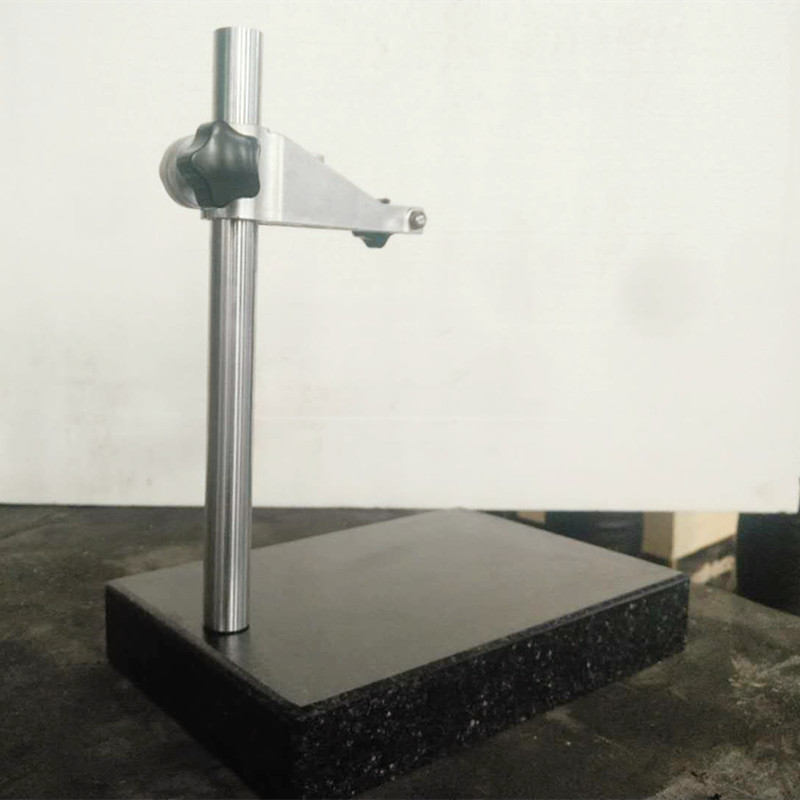
Understanding Surface Plate Prices Factors and Considerations Surface plates are essential tools in various industries, including manufacturing, engineering, and quality control. They serve as a reference plane for precision measurement and inspection of components, ensuring that parts are manufactured to exact specifications. With the increasing demand for quality assurance and precision in production, the market for surface plates has grown significantly. However, a crucial aspect of acquiring a surface plate is understanding its pricing. In this article, we'll explore the factors that contribute to the price of surface plates and what considerations buyers should keep in mind. Material Specifications The price of a surface plate is primarily influenced by the material from which it is made. Common materials used in the manufacturing of surface plates include granite, cast iron, and composite materials. Each of these options has different cost implications. 1. Granite Surface Plates These are the most popular and widely used type of surface plates. Granite is valued for its rigidity, stability, and resistance to wear. The price of granite surface plates can vary significantly depending on the grade of granite, the thickness of the plate, and its overall size. Higher-quality granite with fewer imperfections will command a higher price. 2. Cast Iron Surface Plates While typically more affordable than granite, cast iron surface plates are durable and stable. They are often used for heavier machinery or in environments where durability is a concern. The cost will also depend on the machining process and the overall finish of the plate. 3. Composite Surface Plates These are made from a blend of materials, providing certain advantages in weight and thermal stability. While they may often be less expensive than granite counterparts, their pricing is influenced by the specific materials used in the composite and their intended application. Size and Thickness Surface plates come in various sizes, from small desktop plates to large industrial models. Naturally, larger plates require more material and are generally more expensive. Additionally, the thickness of the plate plays a role in its cost. Thicker plates provide more stability and durability, making them ideal for rigorous industrial environments, but they also come at a higher price. Precision and Tolerance surface plate price Precision measurement is paramount when selecting a surface plate. The accuracy of measurements can be affected by the surface plate's flatness and overall quality. Surface plates are rated by their tolerance levels. Higher tolerance levels (i.e., finer flatness) result in a more precise tool but also increase the price. Buyers must consider the required precision for their specific applications and be willing to invest in the appropriate surface plate. Brand and Manufacturer Reputation Like many other industrial tools, the reputation of the manufacturer can significantly influence surface plate prices. Established brands that have a long history of quality and reliability may charge a premium for their products. However, investing in a reputable brand often ensures better quality, customer support, and warranty options. For businesses that rely heavily on precision measurement, this investment can lead to savings over time by reducing errors and improving operational efficiency. Customization and Features Some buyers may require customized surface plates designed for specific applications or features. This customization can greatly affect the price. Additional features, such as built-in measuring scales, vibration isolation systems, or enhanced finishes for better durability, can also increase costs. It’s essential for buyers to assess their needs to determine if the added expense is justified. Market Trends and Supply Chain Factors Lastly, it's crucial to consider market trends and external factors affecting the supply chain. Economic conditions, raw material availability, and manufacturing costs can all contribute to fluctuations in surface plate prices. Buyers should stay informed about industry developments to make well-timed purchasing decisions. Conclusion The price of surface plates varies widely based on several factors, including material type, size, precision, manufacturer reputation, customization, and market conditions. Buyers should carefully consider their specific needs and the importance of precision measurement in their operations. Investing in a high-quality surface plate can lead to significant benefits in accuracy and efficiency, ultimately contributing to improved product quality and customer satisfaction. By understanding the cost dynamics associated with surface plates, businesses can make informed decisions, ensuring they choose the right tool for their precise measuring and inspection needs.
-

High quality industrial productsagement

High quality industrial products
View Details -

Meet the diverse needs of customers

Meet the diverse needs of customers
View Details -

Strict quality control

Strict quality control
View Details -

Top raw materials

Top raw materials
View Details -

Trusted supplier

Trusted supplier
View Details
Our application


news and information

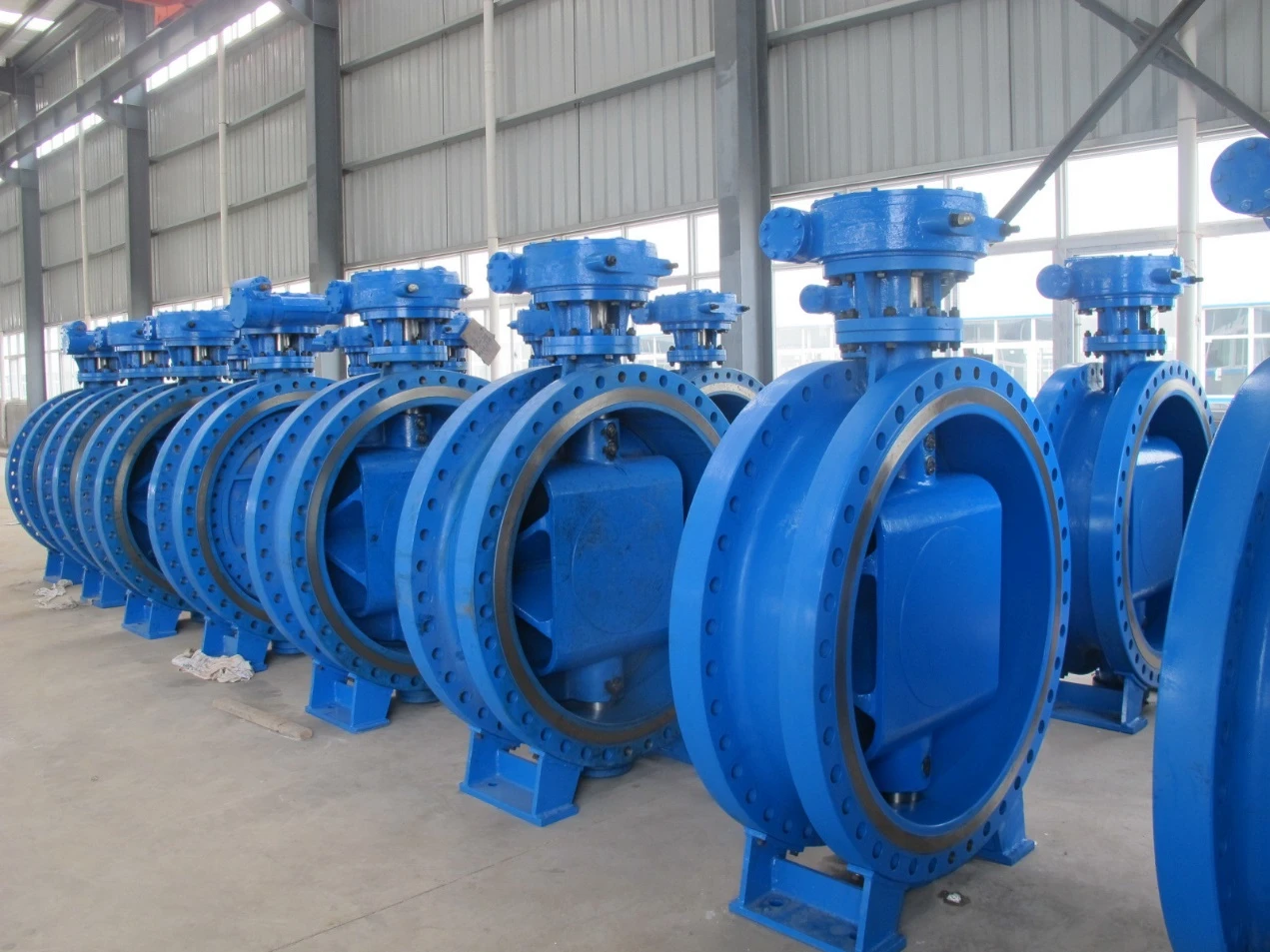
Valve manufacturing plant creating innovative products for industrial applications.
Valve Factory The Heart of the Manufacturing Process Valve factories play a crucial role in the man
water valve types
Understanding Water Valve Types A Comprehensive Guide Water valves are critical components in plumbi
Water Meter Shutoff Valve Installation and Maintenance Guide
Understanding Water Meter Shut-Off Valves Importance and Functionality Water meter shut-off valves a
 English